


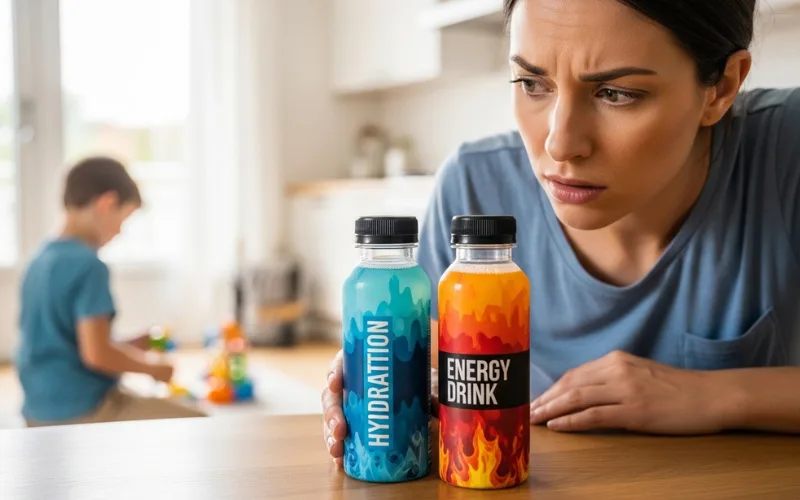

You are not alone in case your kid kept on insisting on a bottle of Prime. This beverage went viral on social media and now every child aged 5-15 appears to have a reason to be in need of it. But is prime safe for kids? And that is what parents are losing sleep over.
I researched the ingredients, interviewed actual parents, reviewed all medical literature I could locate, and contrasted what five health organizations of pediatrics say. It is the no fluff version of everything you need to know about the prime drinks to offer to kids.
What Is Prime and Why Are Kids So Obsessed with It?
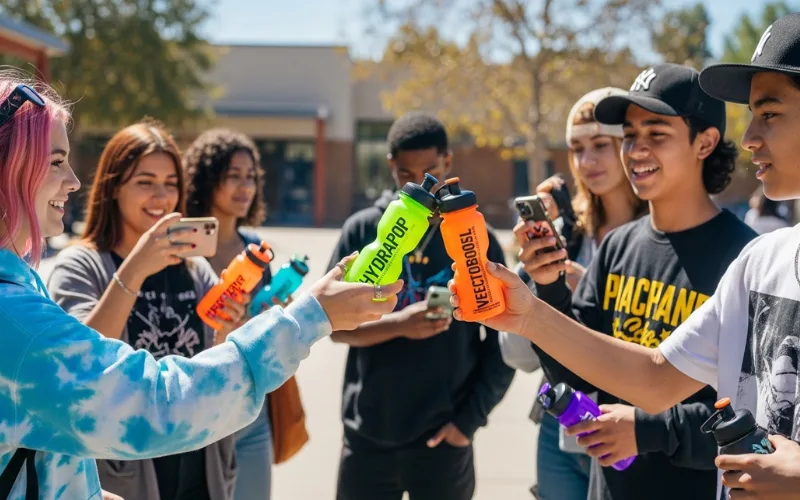
Prime is a brand of drinks that was launched in January 2022 as a co-founded brand by YouTube personalities Logan Paul and KSI. The two together have a following of more than 100 million individuals on social media. Most of those followers? Kids and teenagers.
The brand has two very different products that it sells and this is where the mix up begins. Is prime an energy drink? Well, one version is. The other is not. And not to confuse them is one of the errors parents keep committing.
The Two Products You Totally Have to Separate
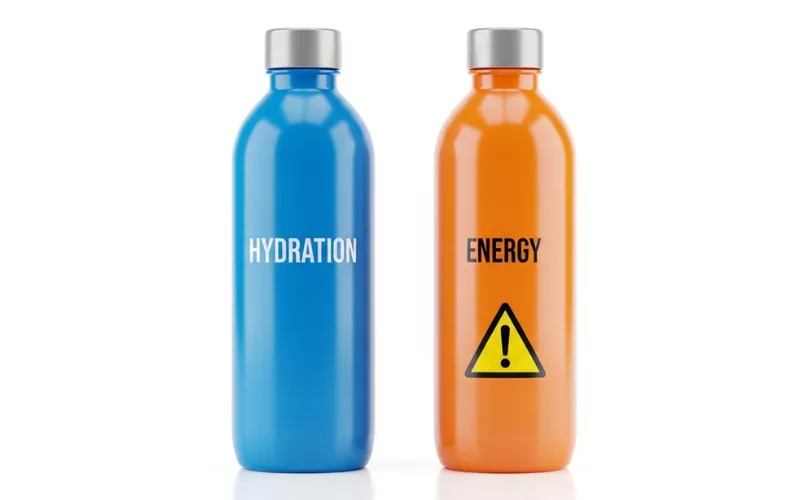
Prime Hydration is available in 16.9 fl oz bottle. It contains zero calories of caffeine, approximately 20 calories and it is promoted as a sports drink. Prime Energy is packaged in 200mg caffeine in a 12 fl oz can. And that is over two cups of coffee.
The packaging is almost identical. Exactly the same logo, same bright colors, same positioning on shelves in the stores. I have myself observed a parent pick the wrong one in a gas station without even noticing. In case you purchase Prime to your child, make sure to check the label.
Why Every Kid on the Planet Wants One

Honestly? It is brilliant marketing. In the case of Logan Paul or KSI, they created a drink that was a collector item. Rare-flavor selections, UFC associations, and unceasing social media buzzes made Prime the drink that is edgy at school. Children exchange tastes as Pokemon cards do.
The peer pressure is real. When a child feels neglected because other kids at lunch have a Prime bottle, that is a normal reaction. Peer pressure, however, should not determine the absence of reading the nutrition label.
Is Prime Hydration Good for Kids? The Honest Ingredient Breakdown
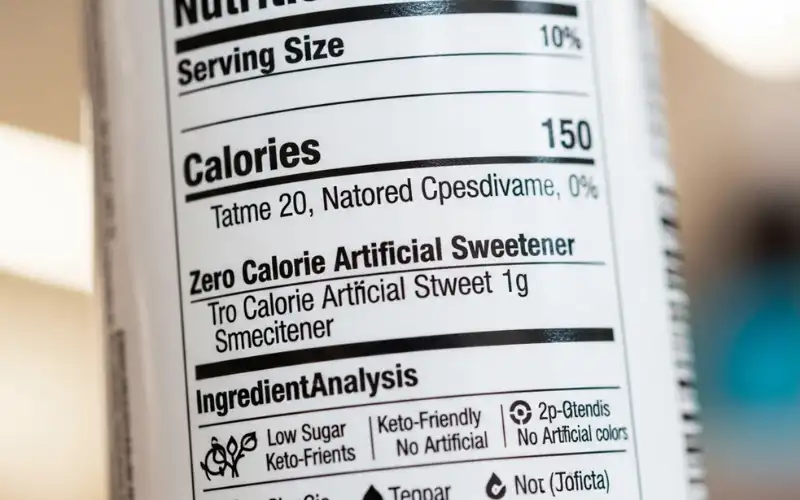
Let me be upfront. Is prime hydration good for kids? The brief explanation of this is: it will not harm them in small portions, but it is certainly not good, either, to them. It is a sweet tasting beverage that contains artificial sweeteners and has an odd electrolyte makeup.
Majority of parents think that zero sugar and zero caffeine equates to healthy. That is not how this works. I will take you through what is there in the bottle.
The Full Ingredient List, Decoded
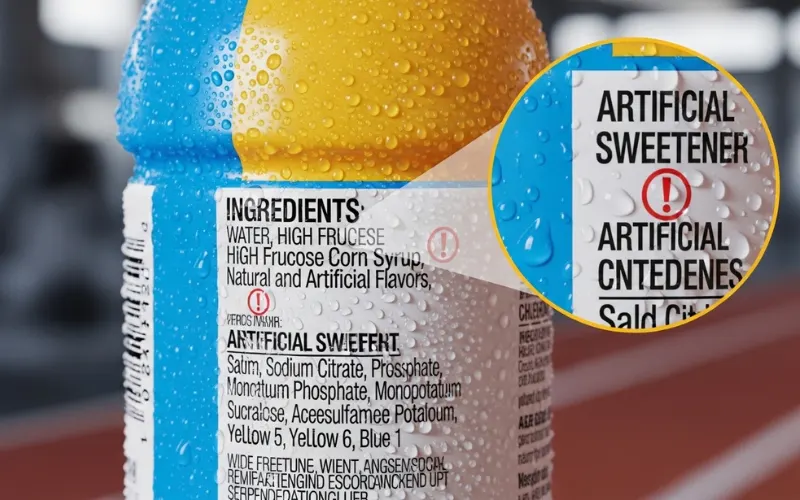
Prime Hydration is made up of filtered water, concentrate Coconut water (10%), citric acid, dipotassium phosphate, natural flavor, sucralose, BCAAs (branched-chain amino acids), vitamins A, E, B6, B12, and acesulfame potassium. The latter is another artificial sweetener.
One children drink contains two artificial sweeteners. In 2023, the WHO widely issued a statement and specifically advised against using non-sugary sweeteners in children. I will discuss that further, but it deserves a mention at the moment.
The Sodium Problem Nobody Talks About
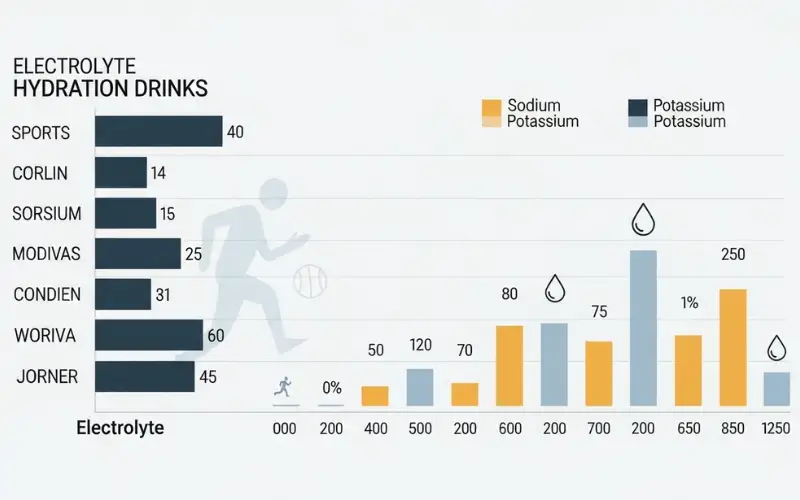
The following is one of the things that irritate me. Prime Hydration contains 10mg of sodium in a bottle only. In the case of a beverage that alleges to be hydrating the athlete, that is pathetically weak. When your child is sweating in soccer training, he/she is losing sodium. Gatorade has 160mg. Pedialyte has 370mg.
Prime instead loads potassium (700mg) and magnesium (124mg). It is an odd proportion of a hydration drink. Is prime healthy? Plain water or watered down Gatorade is better to re-hydrate a person after an exercise. No joke.
Is Prime Energy Safe for Kids? Hard No
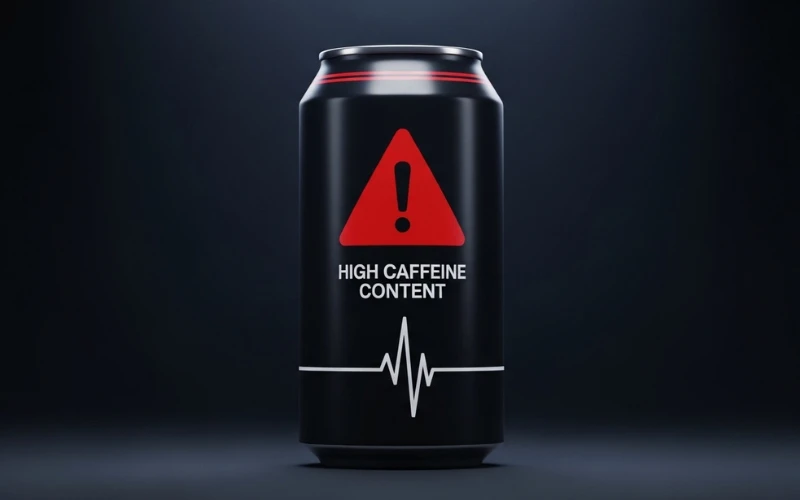
This one is not even a debate. The idea of Prime Energy drink for kids is lousy. All pediatricians, all health organizations and even the label of Prime itself have it that children should not consume this product.
The literal meaning of the label on the can is that it is not recommended to children below 18. However, children will always get access to it since it appears exactly like the Hydration version.
The Caffeine Numbers Are Wild
There is 200mg of caffeine in 1 can of Prime Energy (12oz). In fact, a lawsuit brought in 2024 as a class action suit actually states that the actual figure is more along the 215 to 225mg range. Either way, it is a huge amount.
| Drink | Caffeine | Serving Size |
| Prime Energy | 200mg | 12 fl oz |
| Brewed Coffee | ~95mg | 8 fl oz |
| Red Bull | 80mg | 8.4 fl oz |
| Monster Energy | 160mg | 16 fl oz |
| Coca-Cola | 34mg | 12 fl oz |
| Prime Hydration | 0mg | 16.9 fl oz |
A can of Prime Energy will be about 2 cups of coffee or 2.5 Red Bulls. For a child? That is not just excessive. It is potentially dangerous.
What the AAP and Doctors Actually Say

As early as 2011, the American Academy of Pediatrics has stated that children or adolescents should never take energy drinks. The AACAP recommends 100mg of caffeine daily as the limit of teens of the age group 12 to 18 years. Three parts make one can of Prime Energy go.
Dr. Edith Bracho-Sanchez, a pediatrician who was present at the press conference of Senator Schumer, referred to Prime Energy as providing a caffeine rush to the kids and a crash. Dr. Johns hopkins researcher, Raquel Hernandez, noted that children do not normally lose electrolytes in normal play to be in need of anything better than water.
Prime vs Gatorade vs Pedialyte vs Water: Side-by-Side Comparison
I compiled this comparison since I was exhausted of reading amorphous statements. The following are the real numbers. Any value below will be normalized to a 12 fl oz serving to allow apples to be compared to apples.
| Nutrient | Prime Hydration | Prime Energy | Gatorade | Pedialyte | Water |
| Calories | ~15 | 10 | 80 | ~30 | 0 |
| Sugar | ~1g | 0g | 21g | 9g | 0g |
| Sodium | ~6mg | 55mg | 160mg | 370mg | 0mg |
| Potassium | ~500mg | ~133mg | 50mg | 280mg | 0mg |
| Caffeine | 0mg | 200mg | 0mg | 0mg | 0mg |
| Sweetener | Sucralose + Ace-K | Sucralose + Ace-K | Sugar | Sucralose* | None |
| BCAAs | Yes | No | No | No | No |
*Flavored Pedialyte versions contain artificial sweeteners. Unflavored does not.
The most desired comparison is that of Prime vs Gatorade. Gatorade contains much more sodium (which is actually required during rehydration) and carbohydrates (which provide energy to athletic performance). Prime contains greater amounts of potassium and magnesium and very little sodium. To a child who has gone out to play sports, Gatorade or the thinned Gatorade actually does make sense.
To a ailing child in need of electrolytes? Pedialyte wins by a mile. And for everyday hydration? Water. That is not boring advice. That is what all pediatricians in the world will say.
Why Is Prime Bad for Kids? Three Risks Worth Knowing
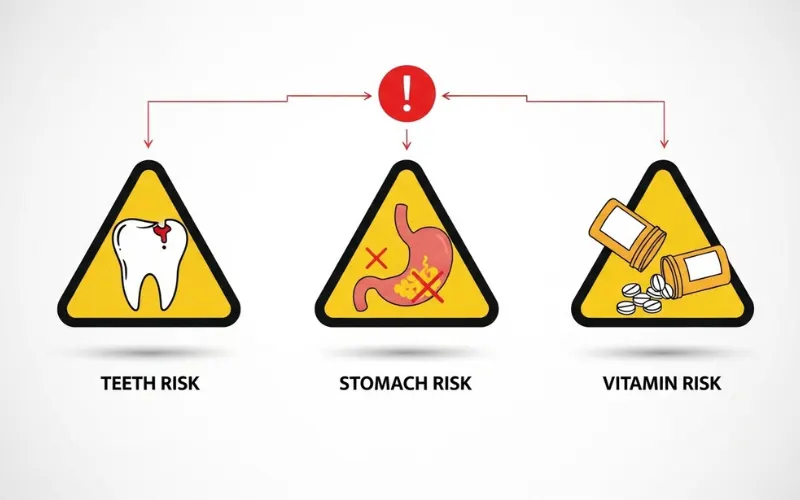
Take it easy, I am not attempting at dramatism. Someone is unlikely to be hospitalized by drinking a single bottle of Prime Hydration. However, there exist practical issues that transcend the caffeine issue. Why is prime bad for kids? This is what the research demonstrates.
Artificial Sweeteners and Developing Bodies
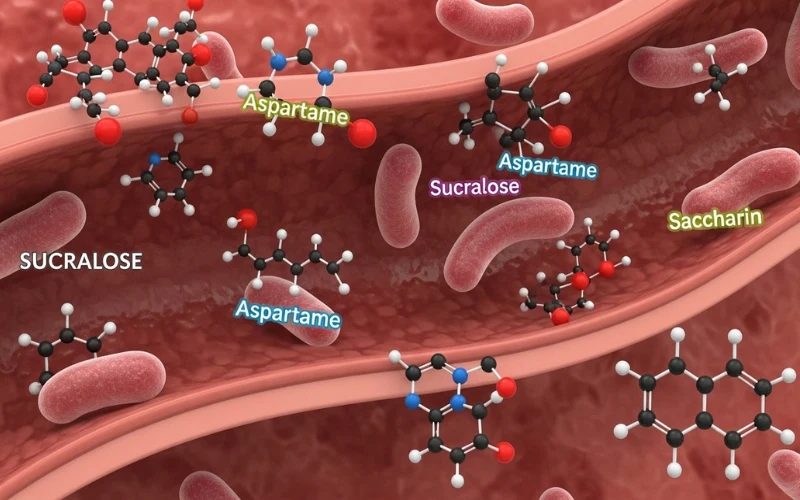
Prime Hydration contains the sucralose and acesulfame potassium. In a research published in Microorganisms (2022), the 10-week intake of sucralose led to gut dysbiosis in healthy adults. That is to say that it interfered with the balance of the healthy bacteria of the digestive system.
In another 2022 study in Cell, the researchers reported that glycemic responses were impaired by sucralose, and the alterations were associated with the changes in the gut microbiome. The 2023 recommendation of the WHO directly discouraged the use of non-sugar sweeteners across all age groups including children. Is prime hydration harmful to children in the long run? We do not actually possess sufficient data of children. And that is one of the problems.
Vitamin A Toxicity from Drinking Too Much
Prime Hydration meets the Vitamin A requirement of 900mcg in every bottle. It is 100 percent of the daily value of adults. The acceptable maximum intake of children between the ages of 9 and 13 is 1, 700mcg. two bottles in a day causes 1,800mcg, and your child is above the line.
Vitamin A is fat soluble and this implies that it is stored in your body rather than being excreted. Excessive use over time may result in headache, nausea and extreme liver damage. In fact, Norway banned Prime Hydration due to the high levels of Vitamin A.
Citric Acid and Dental Erosion
The third ingredient of Prime Hydration is citric acid. Pediatric dentists have also been concerned since drinks with acidic contents reduce tooth enamel with the course of time. Children at risk are those who suck these beverages during the day.
In case your child does drink Prime on some occasions, it helps to make him/her rinse with water. However, frequent use is a dental issue that majority of the articles that have been written concerning prime drink for kids overlook in totality.
Age-by-Age Guide: Can Your Child Drink Prime?
Among the most prominent gaps that I saw in the other guides is that no one provides parents with specific advice in dependent of the age of their child. A child of 6 years old and a child of 14 years old have totally different needs. Here is my breakdown according to AAP guidelines, WHO recommendations and what the pediatricians really suggest.
| Age Group | Prime Hydration? | Prime Energy? | Best Choice Instead |
| Toddlers (1-3) | No | Absolutely not | Water and milk only |
| Ages 4-6 |