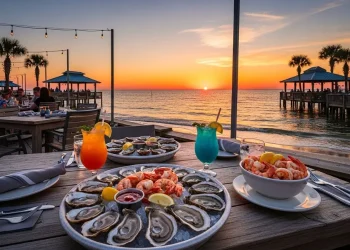


Peruvian food does not hit the same. I understand that this sounds like something that everybody says about his or her favorite food, but with Peru? It’s actually true. We are talking about a nation where you can have ceviche, freshly caught, on the shore one day and then the following day you can have the slow-roasted guinea pig in the Andes.
It is a list of the best Peruvian food that you must be aware of, including the mainstays such as ceviche and lomo saltado, but also the snacks and desserts that are not covered anywhere on most lists. You are going on a trip or simply want to know what food Peru is famous with, continue reading.
What Makes Peruvian Cuisine So Special?

The point that most people do not know about is that Peru is home to 28 of the 32 climate zones in the world. Twenty-eight. It translates to the fact that they cultivate quinoa that grows at high altitudes as well as tropical fruits in the same nation. The assortment of ingredients is insane in itself.
Nevertheless, it is not only the ingredients. The Peruvian cuisine is an amalgamation of the Inca, Spanish, African, Chinese and Japanese cuisine which you can truly never stumble upon. Peru has already won the World Travel Awards as the Best Culinary Destination 12 times and in 2025, Lima ranked four restaurants in the 50 Best list. That’s not a fluke. The food is just that good.
A Brief History of Food in Peru
You can not appreciate food in Peru without knowing what caused it to get here. History has been cooked into every dish. Now then, I will tell you the brief.
Inca Roots and the Spanish Shake-Up

The Incas had the cultivation of more than 4,000 varieties of native potatoes way before the arrival of the Spanish. Four thousand! They consumed quinoa, corn, kiwicha and raised cuy (guinea pig) as the source of protein. Marinating fish in fermented fruit juices was a practice in coastal communities, which researchers think was the original form of ceviche.
The next source of food was the colonization of Peru by Spain in the 1500s which introduced rice, wheat, citrus, garlic, and livestock. As a substitute to the fermented fruit, citrus juice was used in ceviche and boom, the modern version was created. In the mean time, colonial convents turned into such strange dessert laboratories where nuns invented desserts that are eaten by Peruvians even now. The African people, who came as slave workers, added anticuchos, tacu tacu and picarones to what is now known as Criollo cuisine. So yeah, the history runs deep.
Chifa and Nikkei: How Asian Immigrants Shaped Peru’s Kitchen

This segment shocks the minds of people. Since the year 1849, the Cantonese immigrants entered Peru as contract workers. They introduced a wok cooking, soy sauce, and stir-fry cooking techniques. Chifa is literally translated as Cantonese: chi fan which means to eat. Today? There are more than 6,000 chifa restaurants in Peru. That is why it is the most popular food in Peru in terms of restaurants. You have already experienced Chinese influence without the slightest idea in case you have ever tried lomo saltado.
The Japanese immigrants arrived in 1889 and their cuisine blended with Peruvian cuisine to form Nikkei cuisine. The resulting hybrid led to tiradito (sashimi with ceviche, essentially) and made Lima’s Maado restaurant to be ranked as the 1st among the 50 best in the World in 2025. Peru has the second largest Japanese diaspora in Latin America of approximately 90,000 individuals, with the impact being evidenced in every plate.
Traditional Peruvian Dishes You Absolutely Have to Try
Now, it is time to dive into the realm of the real traditional Peruvian dishes which make this food so iconic. These aren’t tourist traps. They are what people in the area consume on a daily basis. This is what do they eat in Peru in case you are asking.
Ceviche

Ceviche is the national dish of Peru and frankly speaking? It is worthy of such title. Raw fish (usually, sea bass, or corvina) is cooked (usually in lime juice), and mixed with red onion, aji limo chili, cilantro, and salt. Guacamole on sweet potato and crispy cancha corn. The remaining marinade, leche de tigre, is drunk out of the bowl. Local people claim that it cures a hangover.
One of the rules you should learn: Peruvians have lunch, nearly never dinner, and eat ceviche. Cevicherias will shut down at approximately 4 PM since fish is a morning catch. Locals will stare its serving ceviche in the face if it is being served at 9 PM somewhere. Go early. Order it fresh. And please don’t add ketchup.
Lomo Saltado
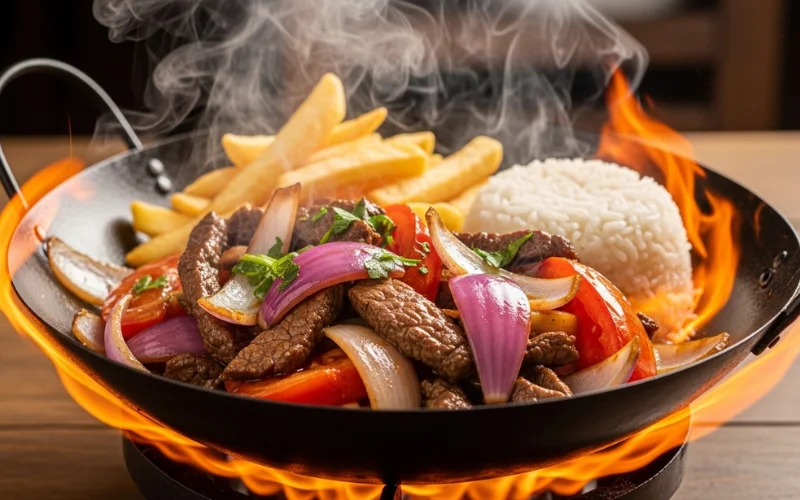
The most popular dish in Peru would definitely be lomo saltado which eloquently demonstrates the fusion DNA of Peru. Beef strips, tomatoes, red onion, and aji amarillo peppers are then stir-fried using soy sauce and vinegar and served over rice simultaneously with french fries. Carbs on carbs. That’s just how Peru does it.
Each family has its recipe. Each restaurant is unique. You will find it in Splendid Lima establishments and in small lunch-counters in Cusco. It is Chifa pure wherein Chinese wok style is combined with Peruvian foods, and it is absurdly good. It is comfort food at the extreme level.
Aji de Gallina
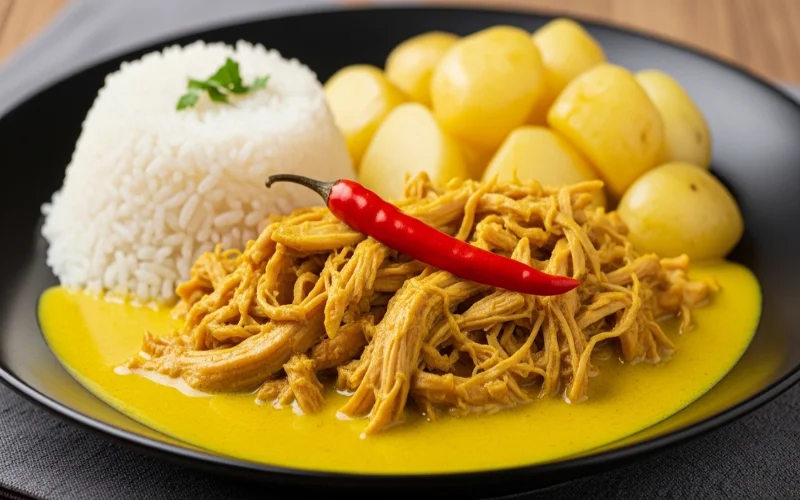
Aji de gallina is chicken stew in this creamy thick yellow broth prepared with the use of aji amarillo peppers, walnuts, bread, Parmesan and evaporated milk. It is served on rice with boiled taters, a hard boiled egg and black olives. There is a slight touch of spiciness, nutness, and deep savoryness in the flavor.
It is the type of traditional Peruvian food sold in family lunches and neighborhoods all over. Nothing flashy of it, yet always good. This is a good place to begin in case you are a newcomer in Peruvian cuisine and need to take a delicate bite.
Causa Limena
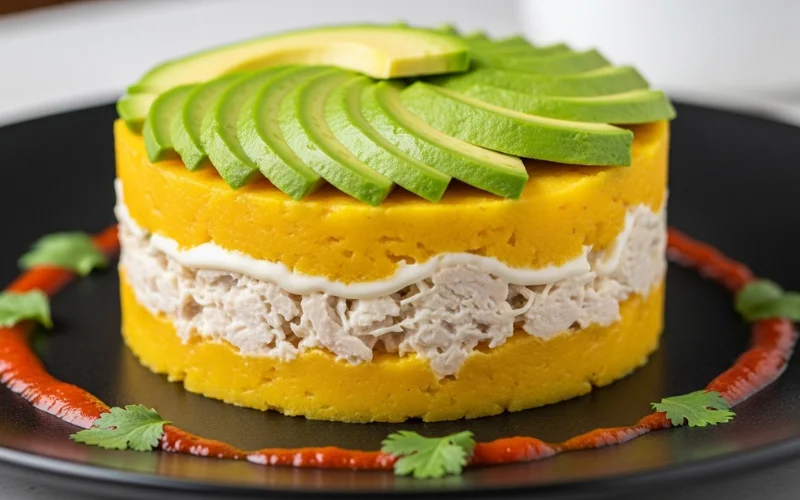
Causa is chilled, stratified, abnormally enamoring. Mashed yellow potatoes with lime juice, aji amaranto and filling such chicken salad, tuna or avocado. Restaurants present it in towers carved in sculpture to appear almost too beautiful to consume. Almost.
The texture play is what I like a lot about causa. Mashed potato over creamy stuff, creamy sometimes, with some huancaina or a few olives on top. It is one of those peruvian appetizers that tourists just can not help falling in love with.
Pollo a la Brasa

Rotisseries chicken in Peru, and I cannot be apologetic because it really kills all the other versions in the market. Pollo a la brasa is marinated in soy sauce, cumin, paprika, garlic, vinegar and herbs, and roasted on charcoal on a rotating spit. Fried and served with aji verde (this green creamy chili sauce you will wish to put on everything).
And preparations In Peru, more than 150 million chickens are eaten each year in such a manner. In Lima there is a block of pollerias. The chains such as Pardos and Norkys are good, however, the family-owned places are the true magic as the charcoal flavor is more painful and the skin is crisper.
Rocoto Relleno
Direct out of Arequipa, the second biggest city of Peru and a food powerhouse in itself. A rocoto pepper (it resembles a bell pepper, but is much spicier) is filled with ground beef, some onions, peanuts, raisins, olives, and a hard-boiled egg, and melted cheese is added on top and baked.
Disclaimer: rocots are cunning. They are completely innocent yet much hot like the jalapenos. Those filling balances well though. You must have rocoto relleno when you get to the picanterias of Arequipa. This incredible cheesy gratin potato dish is normally accompanied by pastel de papa.
Seco de Cordero
Slow-cooked lamb stew cooked in cilantro sauce with chicha de jora (fermented corn beer). The huge quantities of fresh cilantro mixed with beer give the sauce this bright green color. Accompanied by rice and beans, as well as yuca. You just have to look at the meat and it falls apart literally.
This dish is most shining in the northern coast (particularly Lambayeque and Trujillo). Instead, they prepare seco de cabrito (baby goat) up there, which is regarded by the locals as the original one. In any case it is wholesome, highly spiced, and one of the most fulfilling peruvian meals you will ever have.
Arroz con Pato
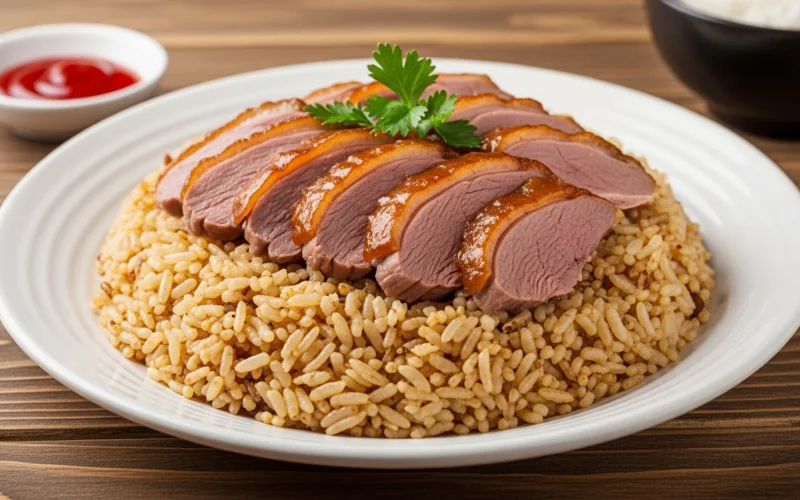
Other northern jewel that is not given the love it deserves. Pour in rice, cilantro, dark beer and aji amaranto and braise the duck until the rice absorbs the last drop of that fat, herby duck-flavor. The rice and its grains become dark green and each grain is so solemn. The salsa criolla is typically served with it, and a cold beer.
It is one of those peru food dishes which foreign guides never give a second thought, yet question any Peruvian in the national region and they will tell you that the country serves the best food. It is a festivities meal, which is commonly served during the weekend and holidays.
Tacu Tacu
Created in Afro-Peruvian ingenuity, tacu tacu began life as an item to put to use day-old rice and beans. You fry the mixture in a thick crispy cake and use it to make a base with steak, fried eggs or seafood. Crispy and golden on the outside and tender and yummy on the inside.
It has come out of modest leftovers to being a star dish at the most upscale restaurants in Lima. It will be served with lomo saltado, grilled octopus, or a fried egg that is to perfection. That change of food of the poor man to high end food? The Peru food story in a nutshell.
Papa a la Huancaina
Drowned in huancaina sauce boiled yellow potatoes, this light yellow, slightly spicy sauce of aji amarillo peppers, fresh cheese, evaporated milk, and crackers. Served cold as a starter with hard-boiled egg and black olives. Simple? Yes. Boring? Absolutely not.
This is often one of the first things to have in Peru that tourists trip over as it appears on the menu as an appetizer on almost all menus. The sauce is not only addictive. After you have sampled a fresh (not the packet) huancaina, you will know why Peruvians use it on everything.
Best Peruvian Seafood Dishes

Peru has 2,400 kilometers of shoreline and the cold and nutrient-enriched Humboldt current to sustain it. So yeah, the seafood is unreal. These are the best of the best of Peruvian seafood dishes which forms a huge portion of everyday meals along the coastline.
Tiradito
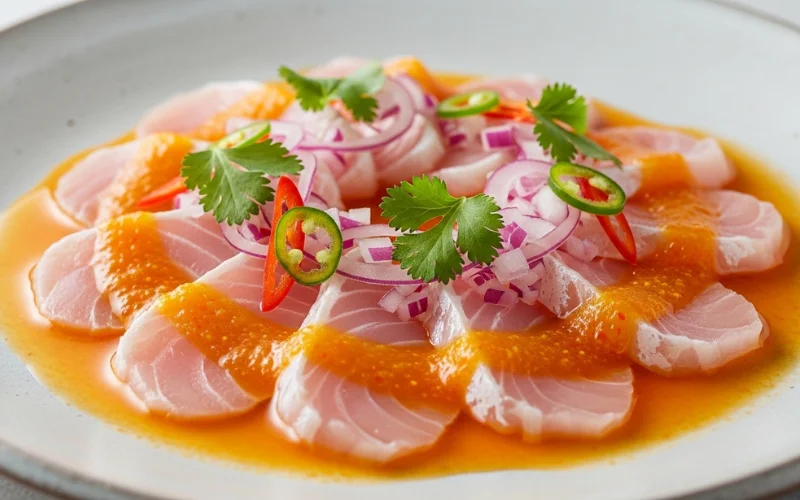
Imagine tiradito is the result of a Japanese sashimi and Peruvian ceviche child. Cubes of raw fish cut into thin slices and left flat on a plate drizzled with spicy hot sauce made of aji amarillo or rocoto pepper and lime. It does not have onion like ceviche and the fish remains silky and raw. Not “cooked” in citrus.
It is the keynote of the Nikkei cuisine, which is more lightweight than ceviche and really prestigious. The majority of Lima up-scale restaurants have their variation and it is one of the best peruvian foods to those who likes fine seafood. Don’t sleep on this one.
Jalea
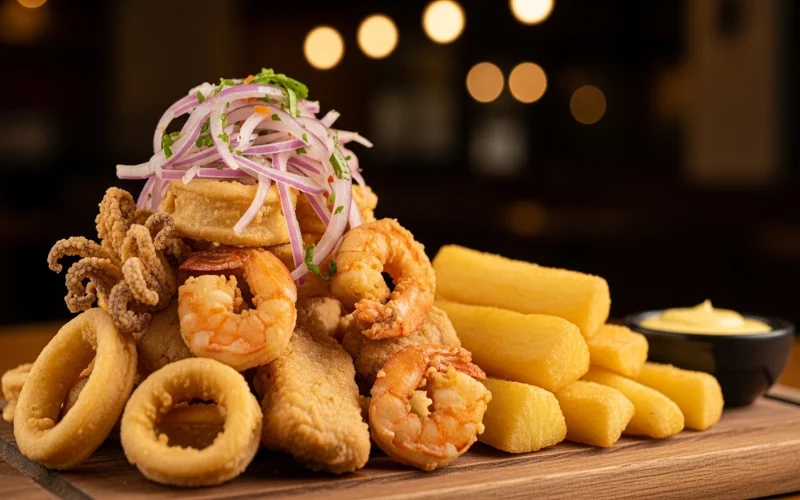
Jalea is a sharing of the seafood fried in Peru, but well made. A combination of fish, calamari, shrimp and occasionally octopus is battered and deep-fried, and stacked high on top of fried yuca, salsa criolla and tartar sauce. The batter is not thick and oily; it is light and crisp.
Available in almost any cevicheria. It is simply suited to a cold Cusquena beer, and the portions are normally large enough to share. Come hungry.
Arroz con Mariscos

Peru’s seafood rice. Tourists even compare it to paella but in the real sense, it is another whole different ball game. Arroz con mariscos is rice cooked in a sauce with shrimp, mussels, calamari, and octopus in the aji panca, garlic and tomato sauce. The Rice is wet and full of flavor. Not dry, not crunchy. Different vibe.
It is no frills comfort food on the coastal side and one of the cheapest means of having a large plate of mixed seafood. It is served at a number of cevicherias at a price of less than 8 USD. Hard to beat that value.
Chupe de Camarones
Arequipa is served as a rich, thick, creamy shrimp chowder made with freshwater river shrimp, potatoes, corn, fava beans, rice, milk, eggs, and a healthy portion of aji panca and huacatay (black mint). One bowl is a full meal. Like, genuinely full. Order nothing other with it.
The best place to have it is in picanterias of Arequipa. The shrimp are of the Majes River, and have a different flavor altogether of ocean shrimp, sweeter and lighter. This is among those famous peruvian dishes that should be given much international coverage.
Peruvian Fusion Food: Chifa and Nikkei Explained
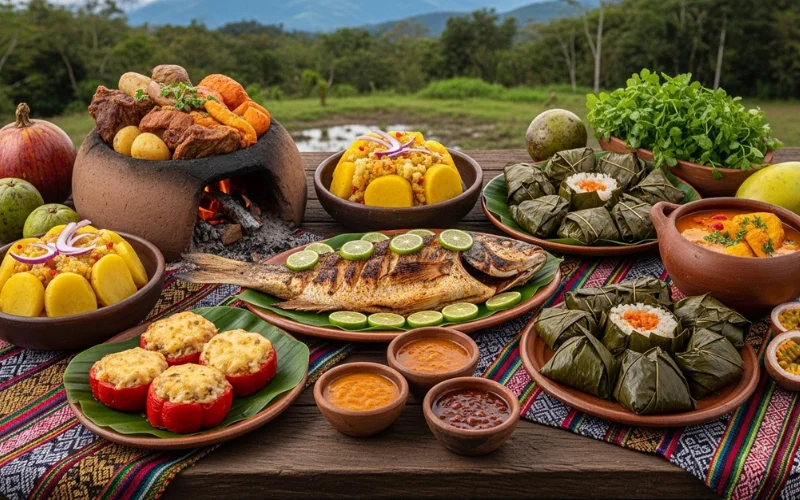
There can be no guide to Peruvian food that does not mention Chifa and Nikkei. These are not hobby horses or endnotes. They are some of the foundations of normal Peruvian food that you will consume nearly every single meal without even noticing it.
Arroz Chaufa
The Peruvian interpretation of the Chinese fried rice and you will find it everywhere. Arroz chaufa is wok fried rice that has scrambled eggs, scallions, soy sauce, ginger and your choice of chicken, pork, beef, or Shrimp. The heat that wok provides makes it get this smoky, slightly burnt taste that is difficult to achieve at home with some serious burner.
The crazy bit here is that arroz chaufa has been integrated into peru foods to an extent that the majority of Peruvians no longer considers it as a Chinese food. It’s just… Peruvian. You will get it in chifas, in regular restaurants, in stalls in the street, even in airport food courts.
Tallarin Saltado
Essentially the lomo saltado made in the form of noodles. Mixed beef strips, tomatoes, onions, aji amarillo, soy sauce, and vinegar in stir-fried thick spaghetti. Identical addictive savory-tangy-sweet taste, only noodles, no fries, and rice. Comfort food which may cost around $4 to $5 in a local chifa. Can’t argue with that.
Peruvian Street Food and Market Favorites
Peruvian street food is one of the most interesting and lowest priced food in South America. Period. Such markets as San Pedro, Cusco, and Surquillo, Lima? Heaven to food on the go lovers. Here’s what to look for.
Anticuchos
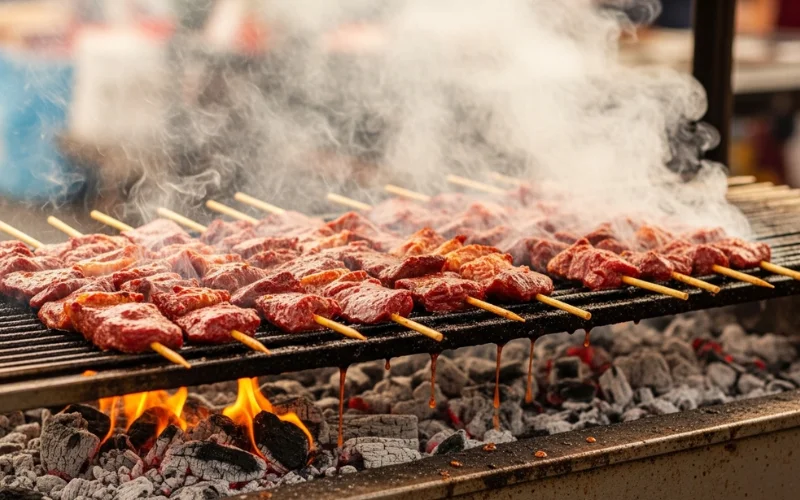
Skewers of beef heart marinated in aji panca, cumin, garlic and vinegar and grilled on charcoal till smoky and tender. They are sold by street vendors all around Peru and in particular during the evenings. Companied by boiled potato and aji sauce. They’re incredible.
You are right, I understand that beef heart is scary. Get over it. The texture is surprisingly similar to tender steak and the taste of that aji panca marinade is excellent. The Afro-Peruvian origins of anticuchos, which were made by the community of the slaves with the help of discarded organ meat that was thrown away by the Spaniards. They are all the rave on all the social classes in the nation.
Papa Rellena

Mashed potato ball full of ground beef, onions, olives, hard-boiled egg, and raisins and deep fried till golden. Comfort food in a portable package. Fried on the outside, soft and juicy on the inside. About $1 USD from a street cart.
It is among the most fulfilling fast foods in Peru and a classic of typical food in Peru which even children develop an affection towards. When you come across a cart of this kind, buy one. You won’t regret it.
Tamales

Peruvian tamales are not Mexican. They are larger, softer and are covered with banana leaves rather than corn husks. It is filled with chicken or pork, olives, boiled egg, and aji peppers in the corn dough. Tamales and coffee at breakfast on a Sunday morning? That is custom in most Peruvian families.
You will see tamales cusquenos (smaller, spicier), in Cusco. They are referred to as humitas in the jungle and made of fresh corn. Every place has a mark on this traditional peru food.
Chicharron Sandwich
Thick-cut pork, roasted in its own fat in slow stages until the outer part splinter when you take it in your mouth and eat the inner part remains juicy. Served on a rough roll with salsa criolla (red onion pickles, lime, aji) and, occasionally, a slice of sweet potato. This is THE Peruvian breakfast sandwich particularly in Lima.
The city of Lima can boast about some of the best chicharron restaurants being small storefronts that have been operating the same way all through the decades. One of these sandwiches and a fresh juice will cost you less than $3 and keep you going hours in case you are budget travel, especially in South America.
Andean and Amazon Specialties: Regional Food in Peru
The cuisine of Peru varies widely, though, according to the coast, mountains, or the Amazon jungle, which you are in. It is one of the largest things that are overlooked by most of the travel guides in this region. Here’s the breakdown.
Cuy (Guinea Pig)

Yeah. Guinea pig. And no, it is not a gimmick of the tourist. Cuy was reared and consumed in Andes more than 5,000 years. It is usually roasted whole, or fried flat (cuy chactado), and is accompanied by potatoes and aji. The meat is lean and tender and has the flavor of rabbit and dark chicken.
It is to be tried in Cusco and Arequipa. There is a caveat to this, however, it is usually served as a whole which can be a visual experience. However, when you go beyond the show, the taste is really fine. It is among the most famous food in Peru and one that you will not forget even after the visit.
Pachamanca
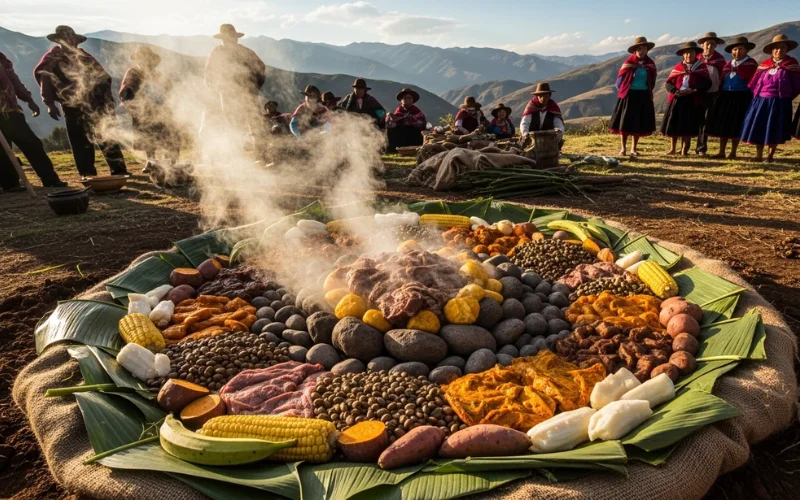
A pre-Columbian Brazilian cooking technique. The meat (lamb, pork, chicken), potatoes, corn, fava beans and herbs are stacked over hot stones in a hole in the ground, and covered with earth, and cooked during hours. What you end up with is smoky, impossibly tender and full of this earthly flavor that you cannot get any other way.
Pachamanca is not a restaurant-style meal but rather a communal one. It is served at certain days in some places in the Sacred Valley and in Huancayo. Tasting it takes you back to an ancient tradition of peru food culture that was practiced before the inca empire.
Alpaca

Light, soft, unbelievably soft. Alpaca is like minced venison without the game. Typically consumed as a steak that was grilled or as a stew or a burger. It contains a lot of protein and a little fat as well as reduced cholesterol as compared to chicken. Cusco restaurants leave it on menus always.
The best introduction is a plain grilled alpaca steak that is served with aji sauce and roasted potatoes. It is among those peruvian meat dishes that the visitors end up loving more than they anticipated.
Juane
Peruvian Amazonia special meal. Chicken, olives, rice, boiled egg, and spices wrapped in bijao leaves and boiled. It has that faint earthy smell of the leaf that you can simply just smell and you can never get in some other manner. It is the jungle version of tamales, but the flavor combination is entirely different.
Go to Iquitos or Tarapoto and you will find juane everywhere, particularly in the month of June when there is the Festival of San Juan. It is wild and most international guides do not pay attention to this one at all as it is tasty and has a significant impact a thousand times. It is a kind of those foodstuffs in Peru that portrays the diversity of the country.
Tacacho con Cecina
Plantain mashed and roasted and then rolled into balls (tacacho) and smoked with pork ( Cecina ) and chorizo. Food that is hearty and Amazonian comfort food to keep people warm throughout the day in the jungle. The salty cecina sitting in its smoky haze combined with the starchy tacacho would simply work.
You can see it in the Amazonian region and even in Lima as Amazonian food gets known in Peru. It is the type of the Peruvian food that demonstrates how eccentric the eating habits of the nation can be.
Peruvian Desserts That’ll Ruin You for Everything Else

Dessert game is a game that is taken lightly in Peru. A majority of the guides talk of a sweet and a bounce, though there is a world of peruvian plates on the sweet side which require a bit of affection. Many of these trace back to the colonial-day convents where nuns simply developed into pastry geniuses.
Suspiro Limeno
“Sigh of a Woman from Lima.” The poet Jose Galvez gave it this name, saying that the dessert was soft and sweet as the sigh of a woman. It is a foundation of manjar blanco (dulce de leche prepared with evaporated milk) with fluffy port wine meringue and cinnamon. Very sweet. Very rich. Very good in small amounts.
It is on most of the dessert menus in Peruvian restaurants. It is the type of peruvian dish that is a great meal-finisher.
Picarones

Peruvian sweet potato and squash dough doughnuts that are deep-fried and in rings with the drizzle of warm chancaca syrup (unrefined cane sugar, cinnamon, clove, orange peel). They are light as compared to normal doughnuts, and they are never greasy, and there is this slight sweetness of the squash and potato.
These are of Afro-Peruvian origin, with Spanish bunuelos made with local products. In the Barranco neighborhood and the Miraflores neighborhood of Lima, they can be purchased warm off the fryer by street vendors. With that sticky chancaca sauce, fresh eating? The Luiz Zarate is one of the best street food experiences in South America.
Mazamorra Morada

Thick purple corn pudding. It is made by boiling the dried purple corn with pineapple, cinnamon, cloves, and sugar and then thickened with sweet potato starch. It goes with arroz con leche (rice pudding) in a combo known as combo. It has a unique taste of fruit, almost a berry flavour but deep and fruity due to the purple corn.
It is particularly in demand in Senor de los Milagros processions in Lima in October but it is available throughout the year. The anhcyanin antioxidants in the purple corn are associated with heart health. And you will be a bit less guilty about having dessert.
Lucuma Ice Cream
Lucuma is a native Peruvian fruit, which has the taste of a lovechild between maple syrup and caramel. Peru produces 88 percent of the global output, and it has been grown since 8600 BC. In Peru, Lucuma ice cream does better than chocolate and vanilla. Let that sink in.
Lucuma is not easily available outside of South America and thus making the experience of trying the same in this case even more special. It is appearing in the fancy pastry stores all over the world as a superfood ingredient, yet nothing could be as nice as a scoop in a warm afternoon in Miraflores.
Peruvian Drinks You Absolutely Can’t Skip
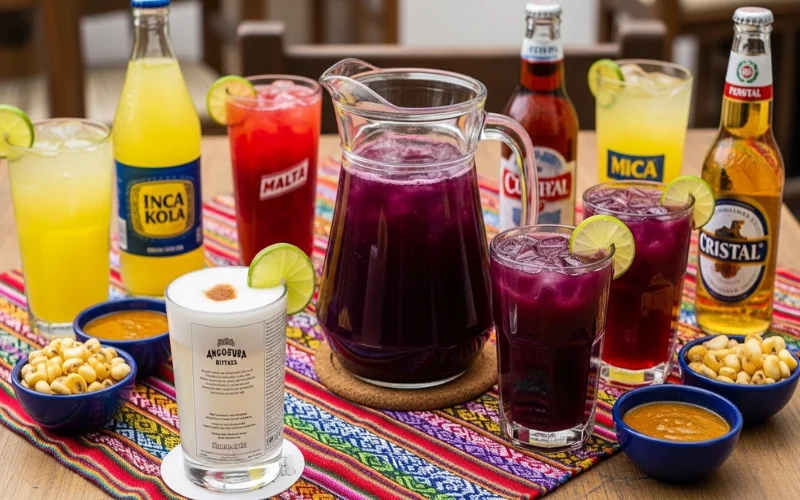
Drinking in this place is much more than pisco sours. Peruvian food and beverages are closely intertwined since ancient times, when fermented corn drinks were created and colorful drinks made with corn juice. Here’s what to order.
Pisco Sour
The national cocktail of Peru and a point of intense pride (and a continuing dispute with Chile as to who invented it). Fresh lime juice, simple syrup, angostura bitters, Pisco, and egg white, shake until frothy. Spicy, oily, dangerously sumpptuous. Even Peru has a National Pisco Sour Day on the first Saturday of the month of February.
It is important to quality of pisco. The most traditional are quebranta grape pisco which are used in sours. Made well? It is one of the great cocktails in the world. Made poorly? Forgettable. The first one should be in prominent bars.
Chicha Morada

Rum drink that is prepared by boiling purple corn with pineapple, cinnamon, and cloves, sweetened, and served on ice with lime. Fruity, spiced, refreshing. Practically everyone in the Peruvian restaurants has it, and it is a match with all the peruvian food dishes.
Corn was part of Peru culture since about 2,500 years ago, thus, this beverage has deep roots. The color is as a result of anthocyanin antioxidants that are proven to have heart advantages. Healthy and delicious. That’s rare.
Inca Kola

Bubblegum-flavored bright yellow soda that sells more than Coca-Cola in Peru. Invented in 1935 and it is a complete onslaught of a culture organization. Flavors of cream soda with bubblegum. Peruvians are putting it with everything, and mostly chifa. You will either like it or feel that it is sugar-warped. There’s no middle ground.
Interesting fact: Coca-Cola in fact acquired Inca Kola in 1999 since they could not outcompete it in the Peruvian market. That tells you everything.
Mate de Coca
Coca leaf tea. The second time you come to Cusco, each hotel serves you a cup. It is used to counteract the altitude sickness, and even the weak, somewhat grassy taste is pleasing. And no, it won’t get you high. The concentration is insignificant.
When you are on your way to elevated locations such as Cusco or Puno, adopt mate de coca right at the very beginning. It makes a real difference. To get more tips on travelling in the mountain destinations, visit our travel tips.
Emoliente
Hot herbal juice sold in the mornings and evenings by the street vendors. Toasted barley, flaxed, dried herbs, lime juice and honey. Each seller has his mixture, a few include aloe vera or cat claw. About $0.30 to $0.50 a cup.
It is a peruvian health tonic and it happens to be one of those typical foods in Peru (at least in drinks) that tourists get to barely know of but locals consume almost daily. When you pass a cart with enormous pots and steam-up in the cool evening, then stop. Just try it.
Peruvian Superfoods That Are Actually Worth the Hype
Peru the birth place of a few ingredients that are later being sold by the wellness industry as superfoods. However, in Peru, these are not trends/fads. They are also olden day staples that people have been consuming over millennium. These are what you ought to know about them.
| Superfood | Region | Key Benefit | How It’s Used |
| Quinoa | Andes (3,000+ varieties) | Complete protein, all amino acids | Soups, salads, porridge |
| Maca | Junin (12,400+ ft elevation) | Energy, hormonal balance | Smoothies, juices, powder |
| Lucuma | Coastal valleys | Low glycemic sweetener | Ice cream, desserts |
| Camu Camu | Amazon rainforest | 50x more vitamin C than oranges | Juices, supplements |
| Purple Corn | Andes | High in anthocyanin antioxidants | Chicha morada, mazamorra |
| Sacha Inchi | Amazon | 8x more omega-3 than olive oil | Snack seeds, oil |
| Kiwicha (Amaranth) | Andes | High protein, iron, calcium | Cereals, energy bars |
In 1985, NASA listed quinoa among the foods they studied as astronaut food due to its amino acid content. It is so culturally significant that Maca cannot be exported raw out of Peru. The dogs in the airports are literally trained to snuffle it out. These are not marketing tricks. They are outstanding products that Peru has grown over a thousand years. You may be interested in the way these relate to overall wellness so you may also like our content on health and lifestyle.
Vegetarian and Vegan Peruvian Food Options

Peru is not a vegetarian country, look. Meat is everywhere. However, there are not only fewer dishes of plant-based peruvian food than people imagine. When you consume dairy and eggs, you have a lot more choices.
Vegan choices: papa a la huancaina, veggie causa, solterito (Arequipa fava bean, corn, cheese, and olive salad), choclo con queso (boiled giant corn with fresh cheese), quinoa soups and salads, and a majority of my above-verbally listed desserts. There are now vegetarian restaurants in both Lima and Cusco. Smaller towns however will require you to get to the point when expressing your needs since meat is well ingrained in the foods of the Peru food culture.
How to Eat Like a Local in Peru: Dining Tips and Culture
One half the battle is to know what to eat in Peru. The flip side is having the knowledge of how to orient oneself in the food scene like someone who stays there and not a tourist reading a guidebook. Here’s the cheat sheet.
| Concept | What It Means | Why It Matters |
| Menu del dia | Fixed-price set lunch (starter + main + drink) | Best value: $3 to $4 USD at local spots |
| Cevicheria | Seafood and ceviche restaurant | Go for lunch, never dinner |
| Polleria | Rotisserie chicken restaurant | Most affordable family dining option |
| Chifa | Chinese-Peruvian restaurant | 6,000+ nationwide |
| Picanteria | Traditional Arequipa-style restaurant | Hearty regional dishes |
| Huarique | Hidden family-run spot, locals-only vibe | Often the best food, lowest prices |
The key event is Lunch, which is served from 12:00 to 2:30 PM. It’s big, social, and unhurried. Lighter supper, at about 8 or 9 PM. Tip roughly 10% in restaurants. You should always wish the people you are with a good eating (buen provecho). It is an insignificant detail that local people pay attention to. To get more information about eating cheaply when traveling, our budget travel guides touch on this type of stuff in detail.
Peru’s World-Famous Chefs and Restaurants
There cannot be a discussion on what Peruvian food is nowadays without reference to the chefs who placed it on the world map. These individuals are not only cooks. They are the cultural ambassadors who in essence, transformed the way the world perceives Peruvian cuisine.
Gaston Acurio
The godfather. Raised in Le Cordon Bleu, she opened Astrid y Gaston in Lima in 1994, and created an empire of more than 45 restaurants in 9 countries (La Mar to ceviche, Tanta to casual, Chicha to regional). He was credited by the Inter-American Development Bank as having revitalised more than any other person Peruvian cuisine. It is not the words of a food blog. It is one of the large financial institutions.
His actual heritage is not just about restaurants. He also defended small-grown farmers, took native ingredients to fine dining, and made an entire generation of Peruvians truly proud of their food roots. Until Acurio, French and Italian were primarily used by the elite of Lima. He changed that for good.
Virgilio Martinez

Central in Lima by Chef has been ranked the world’s number 1 in the 50 best restaurants in the world 2023. Ex-semi-pro skateboarder, now food inventor. His tasting menu of Mater Elevations is a depiction of different altitudes of Peru, ranging from 20 meters below sea level to 4,100 meters above. His crew employs more than 180 local products, some of which they have just learned about in the research laboratory. Wild.
He had also discovered Mil close to old ruins of Moray at 11,706 feet in Andes where food and archaeology meet. Appeared as a chef on Netflix Chef’s Table. His style is not merely cooking. It is saving Peru biodiversity with food.
Mitsuharu “Micha” Tsumura
Peruvian-Japanese chef of Maido, the number one restaurant in the world in 2025. Maido is Japanese slang for welcome. His menu is the ultimate statement of Nikkei food combining Japanese accuracy with Peruvian spirit. Both primeval and dystopian simultaneously, the results are extraordinary.
Central (#1 in 2023), and Maido (#1 in 2025) means that Lima will be one of the great food cities on the planet. When you are planning a trip which is food oriented, no other travel destinations is likely to match Peru. Each and every meal turns into an experience.
Quick Reference: Peruvian Dishes at a Glance
| Dish | Category | Region | Spice Level | Vegetarian? |
| Ceviche | Seafood | Coast (national) | Medium | No |
| Lomo Saltado | Main | National (Chifa) | Mild | No |
| Aji de Gallina | Main | National | Mild | No |
| Causa | Appetizer | Lima | Mild | Yes (veggie ver.) |
| Papa a la Huancaina | Appetizer | National | Mild | Yes |
| Pollo a la Brasa | Main | National | None | No |
| Rocoto Relleno | Main | Arequipa | Hot | No |
| Anticuchos | Street Food | National | Medium | No |
| Arroz Chaufa | Main (Chifa) | National | None | Possible |
| Cuy | Main | Highlands | Mild | No |
| Picarones | Dessert | Lima/Coast | None | Yes |
| Suspiro Limeno | Dessert | Lima | None | Yes |
| Pisco Sour | Drink | National | None | Yes |
| Chicha Morada | Drink | National | None | Yes |
| Juane | Main | Amazon | Mild | No |
Frequently Asked Questions About Peruvian Food
What is the national dish of Peru?
Ceviche. Raw fish that has been cured in lime juice, red onion, aji limo chili, cilantro and salt. accompanied by sweet potato and toasted corn cancha. The National Ceviche Day in Peru takes place on June 28 of each year. It is the dish that all Peruvians abide by.
Is Peruvian food spicy?
Not as spicy as you’d think. Majority of Peruvian food is not face-melting, but is good. The most common pepper (utilized most often) is called aji amarillo, and it is mild to medium. Rocoto peppers really are hot. The good news is, though, that in almost all cases, the sauces are served as side dishes, so you decide on the amount of heat. Order aji sin in case you do not want chili.
What is Peruvian food like compared to Mexican food?
What is Peruvian food like? It is not as tortilla-related and it is much less dependent on beans and cheese compared to Mexican food. The cuisine in Peru focuses on potatoes (they have thousands of varieties, keep that in mind), seafood and elaborate sauces over salsas. The Asian fusion factor, Chifa and Nikkei, makes it completely different to the Mexican food.
Can vegetarians eat well in Peru?
Yes, but that requires effort beyond big cities. Papa a la huancaina, causa, solterito, choclo con queso, and Quinoa are all in their natural form vegetarian. There are now vegetarian restaurants in Lima and Cusco. The rural is more difficult because meat is ingrained in the culture.
What’s the best time to visit Peru for food?
Peru is the location of the best year-round, yet in the month of September, there is Mistura, the largest food festival in South America, held in Lima. In June, festival of San Juan is ideal to Amazonian food such as juane. Pisco Sour Day is celebrated on the first weekend of February. Summer (December to March) implies the freshest seafood and tropical fruits.
Is street food in Peru safe?
Basic precautions make Peruvian street food generally safe. Eat at stalls where the customers are many (they will be fresher because of the high turnover), do not eat raw food at the carts, have ordered-to-be-cooked dishes such as anticuchos and picarones. Drink bottled water. On the first day or two take it easy to allow your stomach to settle. Majority of travelers do not have any problems.
What are chifa restaurants?
Chifa restaurants are run on Chinese-Peruvian fusion. Chifa derives out of Cantonese meaning eat rice. There are over 6,000 across Peru. Famous foods are arroz chaufa and tallarin saltado. The epicenter is the Barrio Chino (Chinatown) of Lima on Capon Street. It is one of the most common food in Peru dining experiences that one can attend.
What is leche de tigre?
Ceviche is made using citrus, the leftovers of which are known as leche de tigre, or tiger milk. It contains lime juice, fish juices, aji chili, onion and cilantro mixed. Peruvians consume it in form of a shot or over-the-counter alcoholism. It is served as a stand-alone appetizer at the many cevicherias, and is used in cocktails by bartenders. It’s intense in the best way.
Why is Peruvian cuisine considered one of the world’s best?
The combination of the unmatched biodiversity (28 of 32 world climates), 500-year history of cultural mix (Inca, Spanish, African, Chinese, Japanese), thousands of types of potatoes, and new generation of the world top chefs. Lima was ranked the number-one Worlds Best Restaurants two years in a row (Central 2023, Maido 2025). Peru was the Winner of the Culinary Destination 12 times. The depth is real.
What should I definitely NOT miss eating in Peru?
The essential ones are ceviche, lomo saltado and a pisco sour. Then have anticuchos served by a street seller, picarones to dessert, and arroz chaufa to be found in a chifa place. In Cusco, have cuy just in case you are an adventurous person. The seven things will provide you with a good idea about the most popular dishes of peruvian cuisine and the reason why this cuisine is so unique.
Do I need to try cuy (guinea pig)?
Nobody’ll force you. It is however one of the most traditional peruvian dishes, which is culturally important and consumed in the Andes over 5,000 years. The lean meat is mild with a taste that is close to dark chicken or rabbit. In case this you are adventurous, prepare it in Cusco or Arequipa where it is better prepared. You will have something to tell anyway.
Final Thoughts
Peruvian cuisine is by all means one of the richest and most rich food cultures on earth. Every meal in the coast, in the Amazon, in the jungle, you will have a story to tell.
Provided that this guide allowed you to plan your food wanderings, our other destination guides offer viable hints. Peruvian cuisine is beckoning and believe me it will not be a disappointment.
Read Next: Fresh vs. Frozen: Choosing the Right Distribution Method