


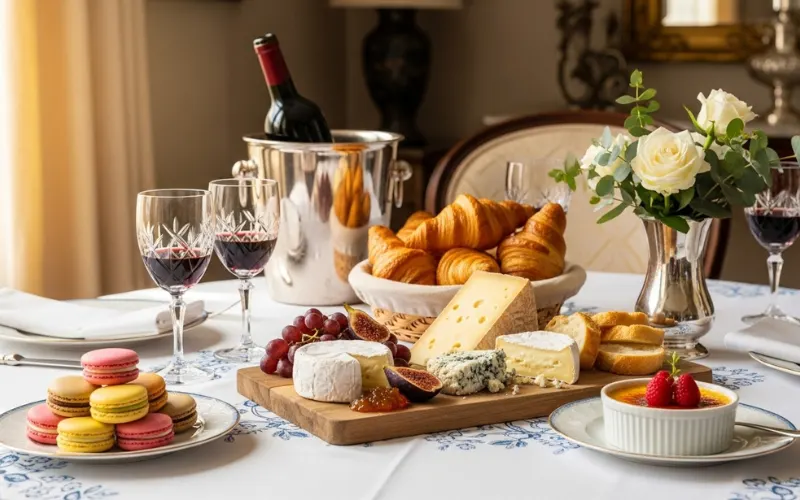

There is one rule I follow whenever I go out of town: first have breakfast and then sightsee. There has been no better paid rule than in France. The food in France is not merely good. It is an entire lifestyle created around the table.
This is a guide that discusses all the famous French foods that one should know, such as Paris bakeries down to countryside bistros with no filler and honest opinions.
What Makes French Food Different from Everything Else
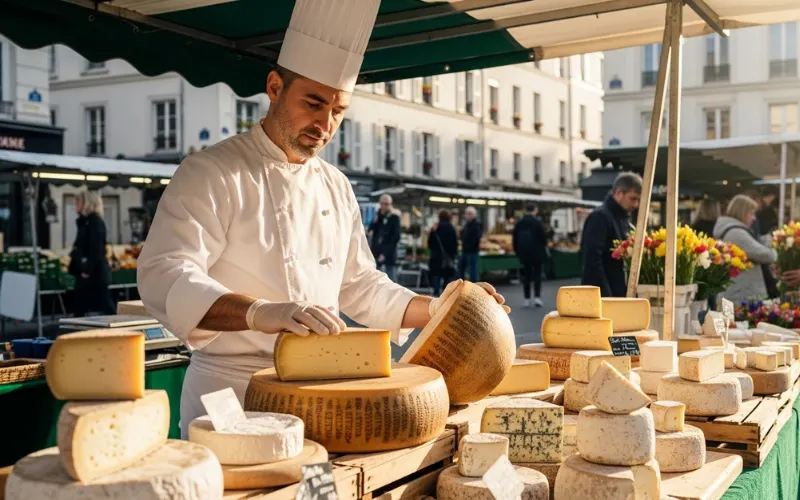
This is what no one tells you about French foods: they are obsessed with ingredients and not tricks. One cheese shop will have a French cook walking three blocks past the first cheese shop to go to the one with better Comte. That attitude transforms all aspects of the food from France flavor when compared with the ones in other countries.
Food is ordered in a different way that is almost religious. Starter, main, cheese, dessert. Never before or after the meal, coffee. There is no bread on a plate but it is on the table. It takes a while to get into that rhythm but as soon as you get there eating in France ceases being like dining and turns into a leisurely, blissful ritual that you will never want to come out of.
Understanding French Food Culture Before You Visit
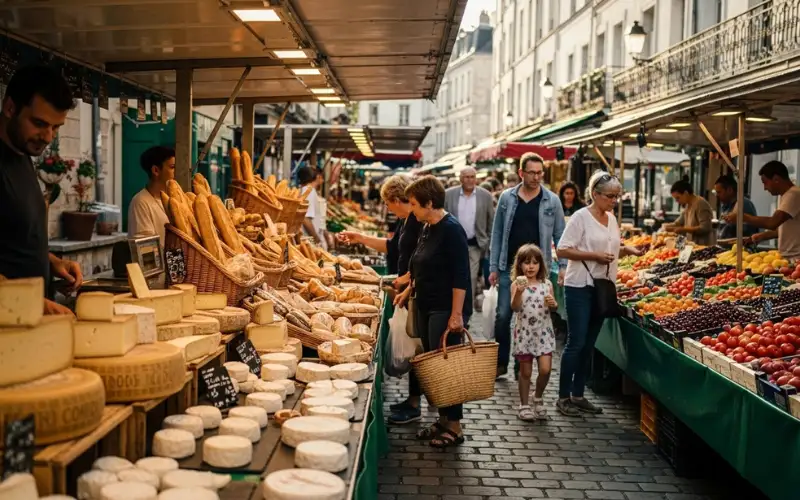
The French culinary connection to the food in France Paris and other areas is radically contrary to what the majority of tourists anticipate. The lunch is the biggest activity, and the average duration of the lunch is one hour or more. Dinner begins late usually around 8pm. French adults do not really snack between meals. Children receive a gouter (afternoon snack), and adults do not eat until the following meal.
Markets are everything. Each neighbourhood has one, or two. Local people shop at Saturday morning markets and purchase their produce, cheese, charcuterie and bread to last throughout the week. The market is the way to start to know Parisian cuisine or any other regional cooking. The thing is I have known much more about French food speaking with market sellers than reading what most of restaurants offered.
Classic French Dishes You Have to Try at Least Once
Croissants and Viennoiserie Pastries
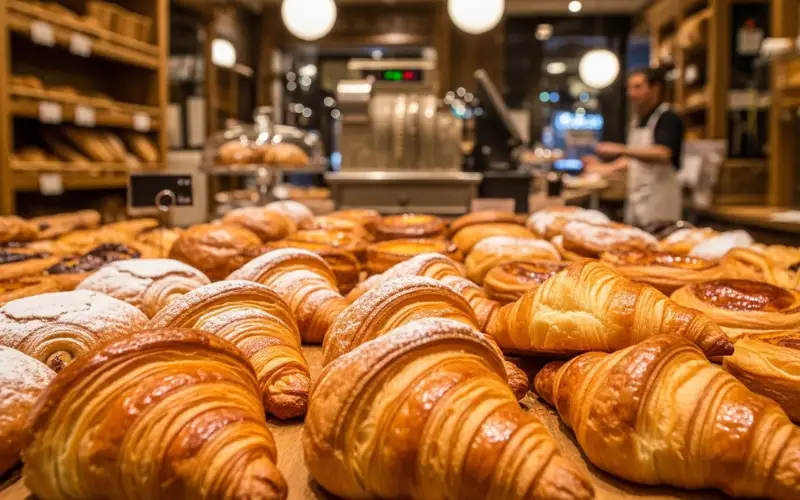
I shall make no secret of it: I dare say you have not yet had an authentic croissant, in case you think you do not like croissants. An ordinary Parisian croissant breaks when you pull it, flakes of butter flaking off. The ones that are sold at the supermarkets back home are a different species altogether. I don’t say this as a joke, the first bite of a real one that I had in Paris made me rethink my entire attitude toward breakfast.
Search boulangeries in which the outlines are a little irregular. That means handmade. Mornings having pain au chocolat and a cafe creme is one of those must try foods in Paris rituals that one will never forget. I am personally a weakness of the almond croissants and in case you like it to recreate the French bakes at home then learning how to make creme patissiere is an excellent starting point.
French Onion Soup (Soupe à l’Oignon)
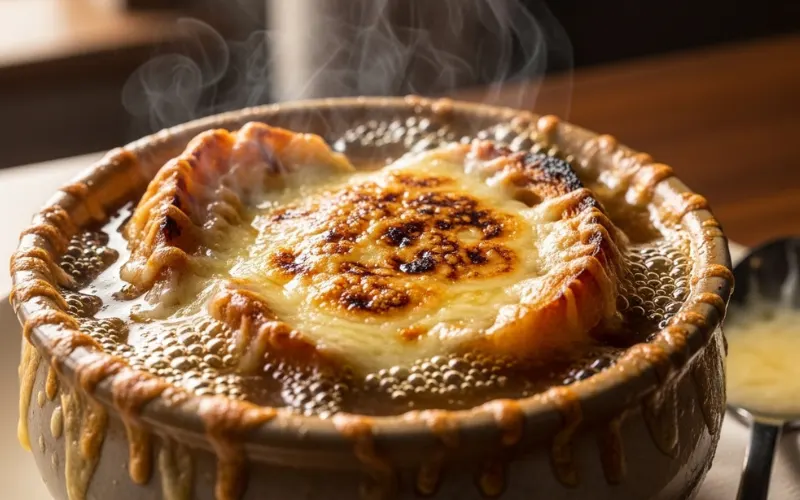
It is Parisian traditional French food at its best. A large ceramic crock of caramelised onions, in a dense and rich, dark, beefy broth, all covered by a heavy lid of melting Gruyere. It is piping hot till the last spoonful, and that is just what you desire on a sub-zero January evening by the Oise.
Each restaurant has its way of doing it. Some stuff it with cheese (that is preferable with my mum), some allow the onions and the broth to be the stars (that is my approach). No version is wrong. It is the best comfort food of all times and it should be on the list of things that one should eat in Paris as it is on the list of the first-time visitors to Paris.
Beef Bourguignon
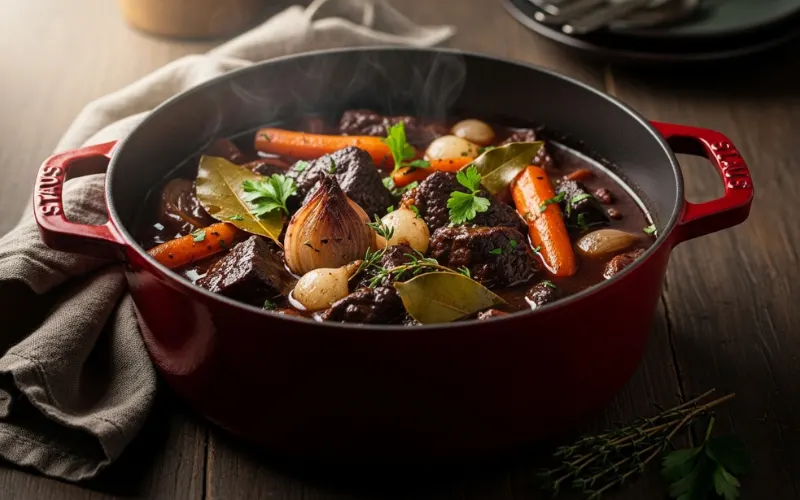
This is another famous food in France technically a Burgundian, but will be available everywhere. Low, slow-braised beef stewed in red wine together with carrots, mushrooms and pearl onions. Once the kitchen hits the nail on the head, the meat yields to fork and the sauce is rich, shiny and full of flavour that will increase with each spoonful.
I used to skip stews entirely. Then I had a decent bourguignon in a small bistro on Rue du Cherche-Midi and I honestly could not think how I had been sparing myself stews all my life. It is just good, satisfying and relatively cheap in a costly city. A bowl of it on a cold night and a glass of Burgundy red? That is the good life.
Coq au Vin
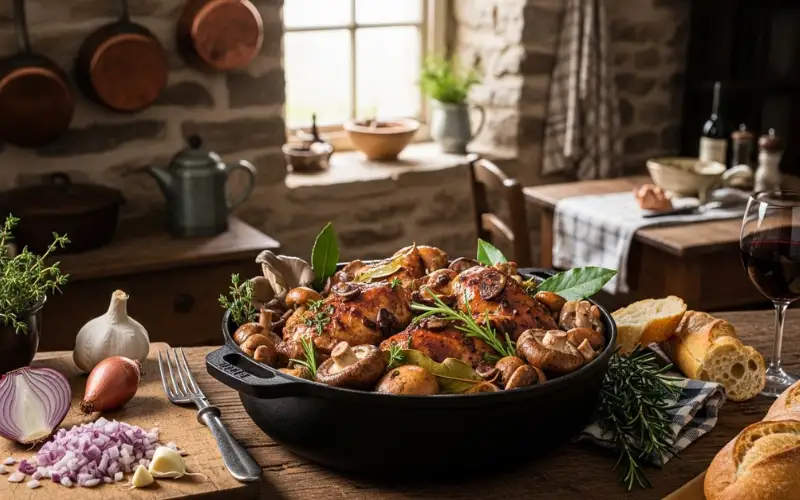
Imaginatively, this can be considered a poultry counterpart of beef bourguignon. Braised Chicken cooked in wine (usually Burgundy, occasionally Riesling in Alsace) with lardons, mushrooms and an excessive quantity of garlic. Sauce acquires this silky near velvety texture once hours of slow cooking which you cannot hurry.
This meal is just another thing in one of the auberge in the countryside than in a brasserie in Paris. When you are out of the capital ever get a chance to eat it. The local forms of such French delicacies are nearly always preferable in the original, and coq au vin in the real Burgundy is evidence.
Duck Confit (Confit de Canard)
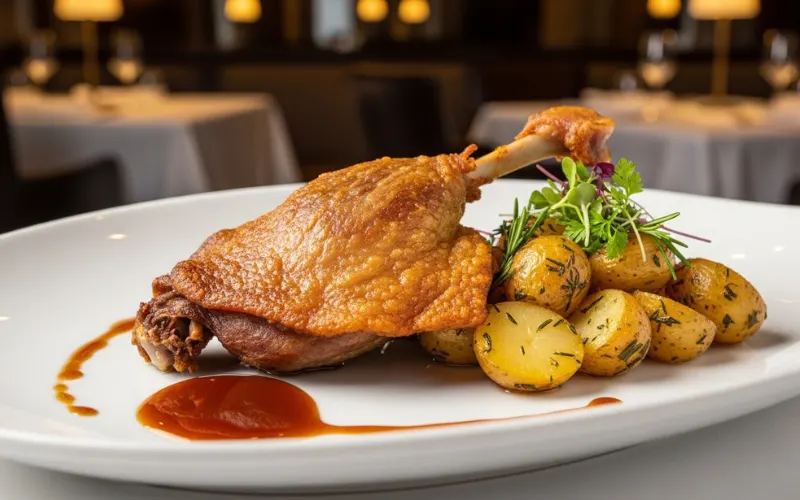
I am almost incapable of consuming duck at home, so it was a true leap of faith. Duck leg, roasted in its fat over a long time with the skin becoming crackling-crispy and the meat within becoming fall-apart tender. Baked with potato served with roast potatoes and garlic. In my opinion, duck confit is one of the best foods in France and I have the habit of ordering this meal almost once a trip.
Quick tip: leave it to the kitchen to cook it as they wish. Do not ask for well done. The French have a notion of what they are going about with duck, and to go against this instinct is a quick road to a thirsty and stingy disillusionment. Believe the chef and you will be paid with something extraordinary.
Escargot (Snails in Garlic Butter)
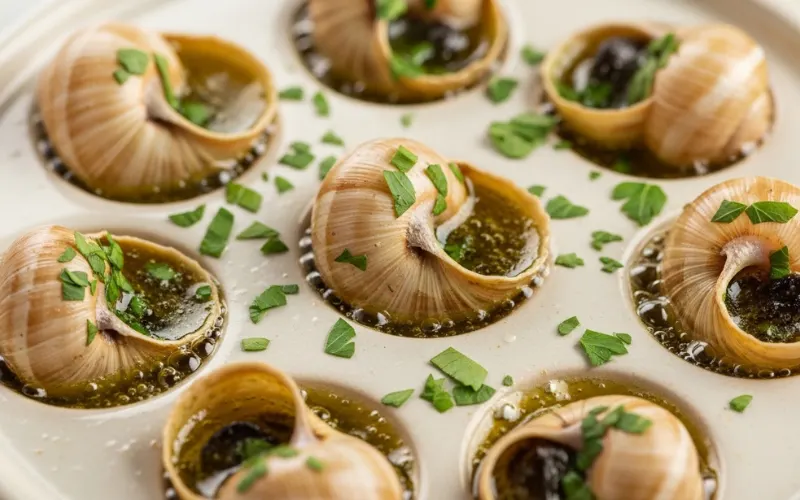
Yes, snails. I know how that sounds. But hear me out. Escargot on Burgundy, with butter and garlic, and parsley is truly one of the most satisfactory bites I ever made. The magic that transformed my life was to have wiped the last or so drop of such herby butter with tearing baguette. Waste not even a drop of it.
Paris escargot is smaller and more expensive than that of Burgundy. When you are too scared of the shells, you can always find plenty of restaurants that serve them shell-free in a small ceramic plate, which is an easier place to start. In any case, escargot is a French food to try product that shocks almost anyone who dares to eat it.
Steak Tartare
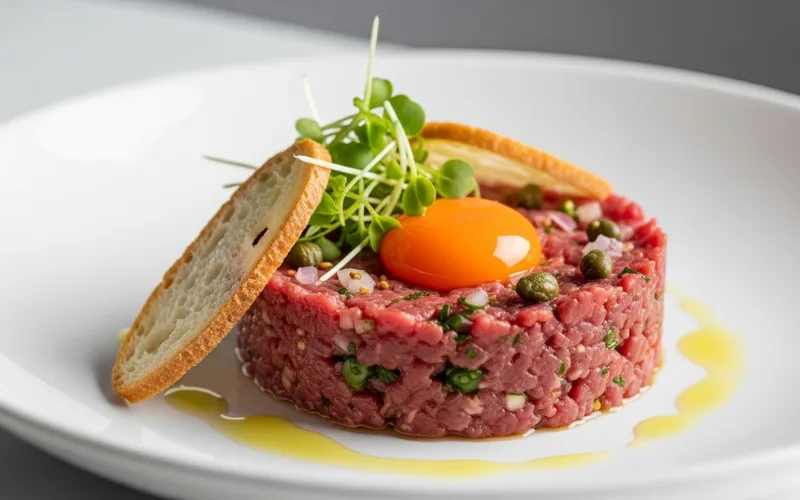
Raw beef with a raw egg yolk on top of it and toast points. I understand that this is difficult to sell on paper. However, the meat is not machine-minced and it is hand-cut, caper-shallots and Dijon mustard seasoned, with a drop of Tabasco. It is crisp, fresh and unusually light. It is a parisian food classic that all adventurous food lovers must taste at least once.
Croque Monsieur et Croque Madame
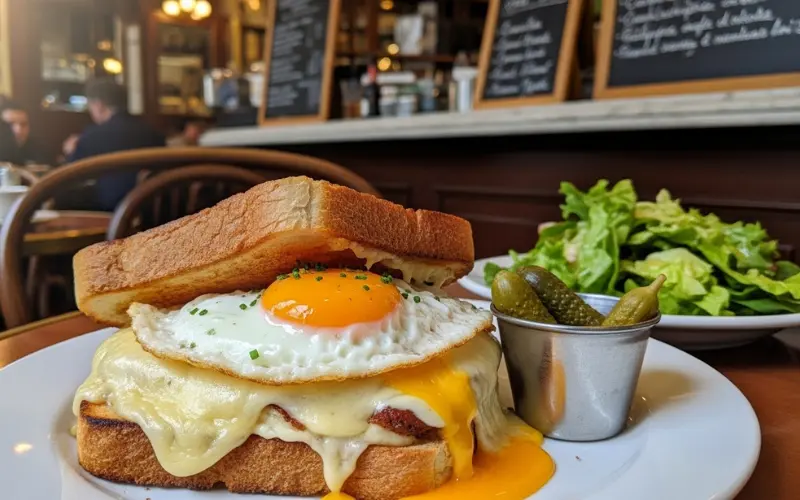
The final Paris food to have a fast meal. A croque monsieur is a ham and cheese toastie, however, taken to a ridiculous extreme. Bechamel sauce, good Gruyere, good ham in Paris all roasted till glowing. The croque madame has a fried egg on it and that runny yolk that is melting into the bechamel is the magic.
You will meet them in almost all the cafes and brasseries in Paris. They are all over the place in terms of quality and hence seek out the restaurants that evidently prepare their bechamel fresh, as opposed to squirting it out of a bottle. A simple yet beautiful croque, with just a green salad and a glass of white, is a meal that is easy but brilliant.
Ratatouille
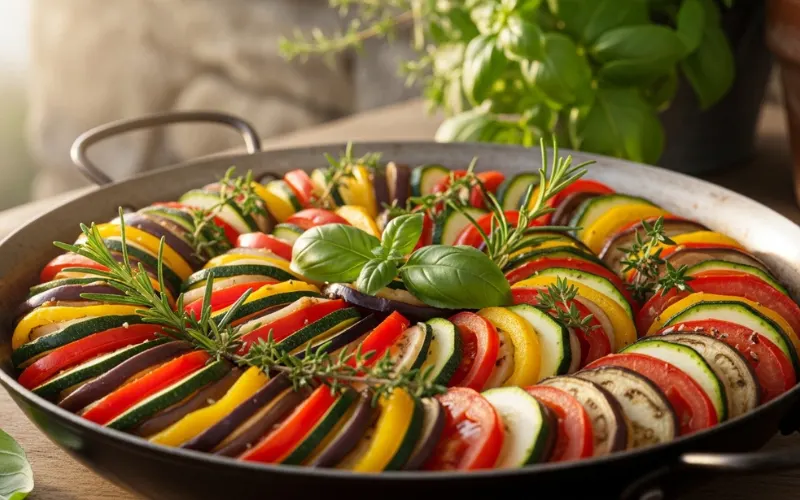
Disregard the Pixar movie a minute. An authentic ratatouille is Provencal vegetable stew of tomatoes, courgettes, aubergines, peppers and onions, which is cooked in the slow cook until all ingredients melt into a warm and very satisfying dish. It is modest, warm, and one of the popular foods in France which even the most fastidious eaters are likely to adore. It is a bonus, too, that it is naturally vegetarian.
Ratatouille is a Provence dish of the summer when tomatoes, courgettes and aubergines are in their prime. Other chefs are doing it in neat spirals of vegetables (that was the influence of Pixar) and some are just rustic and do it all together in a stew. Both methods are tasting. It is among the foods to eat in Paris throughout the year, however, it is best during June and September.
Quiche Lorraine
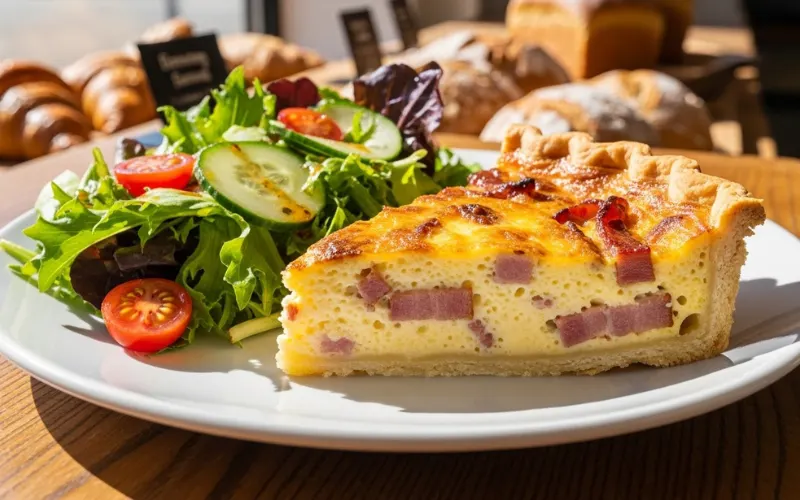
Well-made quiche Lorraine consists of a case of buttery shortcrust encased in silky custard of eggs, cream, lardons and in some cases Gruyere. No hodgepodge vegetables in it, but hot out of the oven and a fresh green salad beside it, it is one of those typical French food lunches that just feels so right. Each boulangerie offers individual portions as well and, therefore, is a good grab-and-go place.
Bouillabaisse
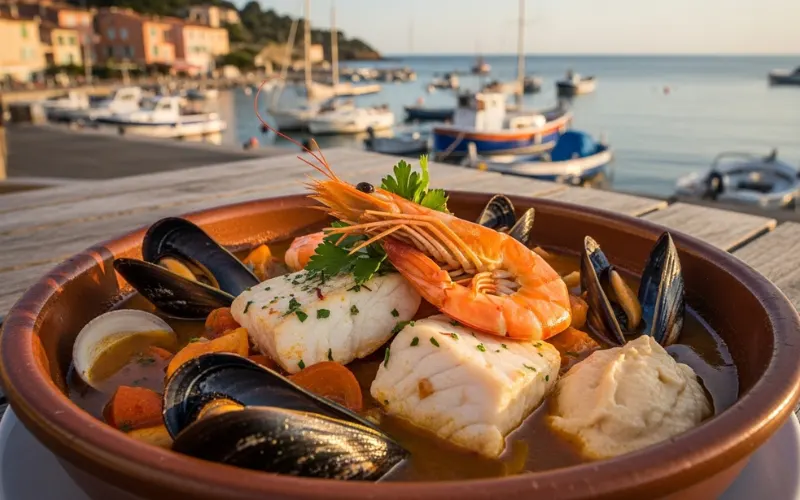
Go to Marseille to the south and here is what food is France known for along the coast. Fishermen who made it out of the fish they could not sell at market originally came up with a rich, saffron-smelling fish stew. It is now a popular dish that is full of whole fish, mussels, prawns, tomatoes and fennel. It is served with rouille (spicy garlic mayo) and bread so that it can be dipped.
Good notice: a good bouillabaisse in Marseille is not inexpensive. Approximately costing between 40 and 60 euros per individual at a good location. However, it will be a massive, dramatic seafood buffet with various kinds of fresh fish at that cost. It is a dinner worth saving at to go to the south coast, and you will never come across it in Paris.
Cassoulet
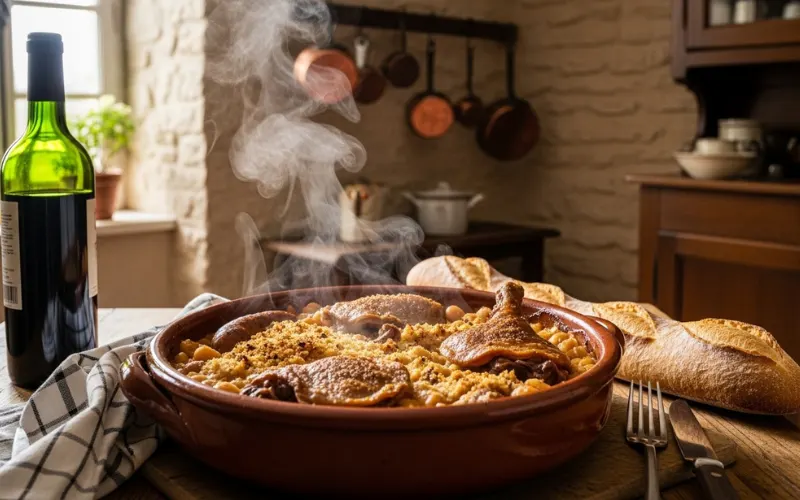
Cassoulet originates in the southwestern part, and is a slow-baked casserole of white beans, duck confit, Toulouse sausages and occasionally pork belly. It is sauce and stuff and stick-to-your-ribs good food that is ideally suited when the weather becomes cold. This is the most generous France food and to be frankly speaking one of my all-time favorites.
Steak au Poivre
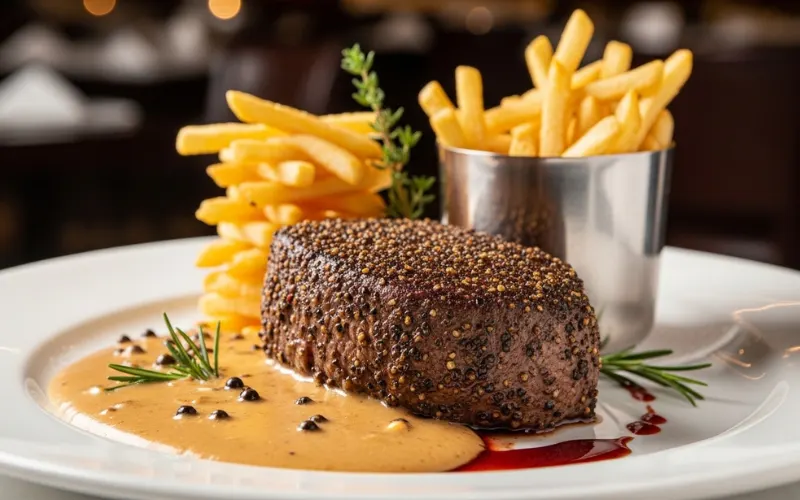
Pan-seared tender fillet topped with a tender sprinkle of cracked black pepper, topped by a cognac-cream peppercorn sauce, and crispy frites. It is a popular Paris food item that is featured in the menus of bistros all over. My advice? Allow the cook to decide on the tenderness. On each and every occasion when I have relied on them the steak has come out just pink, plump and more than I could have ordered.
Galettes (Buckwheat Crepes from Brittany)
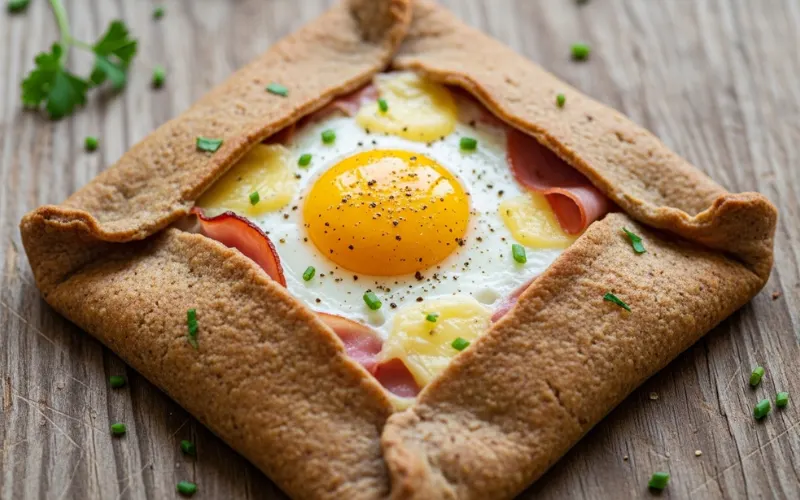
Savoury buckwheat crepes served with such combinations like ham-cheese-egg, smoked salmon and creme fraiche or mushrooms and Gruyere. It was originally of Brittany, but will be found everywhere in France in creperies. They are gluten-friendly (buckwheat is gluten-free) and one of those things to eat in France that you will miss months after returning home.
The traditional full galette is served with ham, egg and melted Emmental and a bowl of Breton cider goes with it. Rue du Montparnasse is covered with creperies in Paris and is the place where galettes are found. I love the fact that you can have a great filling meal at less than 12 euros, making you see galettes as one of the popular food choices by the traveller visiting Paris and needing to keep their wallet.
Charcuterie and Pate
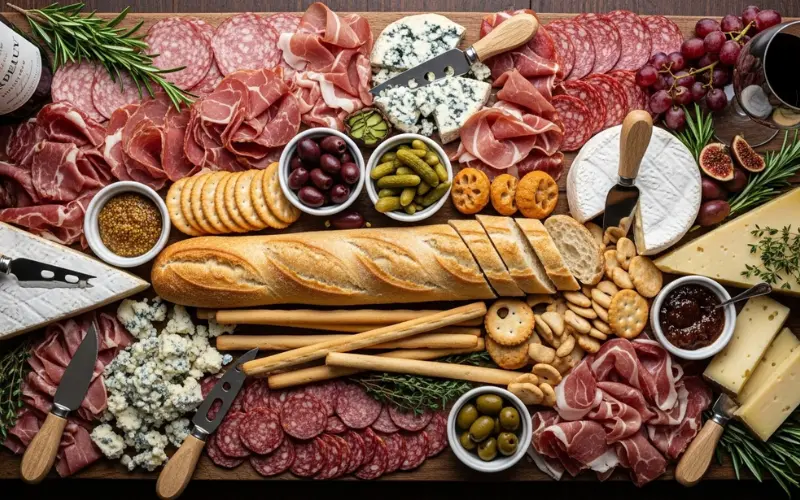
French charcuterie board is an experience. Saucisson sec (dry- cured sausage), rillettes (a coarse spreadable pork paste), country pate, cornichons and a fresh baguette. It is a sharing starter served in many wine bars in Paris and the best appetizer to start a meal, particularly when it is accompanied by a glass of Beaujolais.
This is one of those foods in France that people consume at their home consistently, not only in restaurants. You will buy the ingredients in any market and prepare your own board in a park. In France, I have had some of my finest meals as a market haul, sitting on a bench along the canal.
Creme Brulee
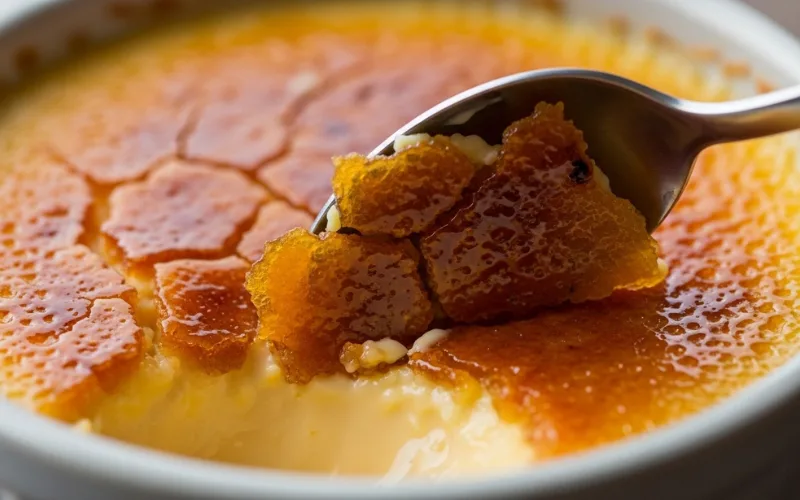
smooth vanilla custard in an extremely thin caramelised sugar crust. You give it a kind of a whack with your spoon backside, the sugars crack, and there is the smoothest custard you have ever had. Uncomplicated and gorgeous and one of the french delicacies that just never gets tired. I place an order on it at all restaurants to compare, and I am not disappointed.
Macarons
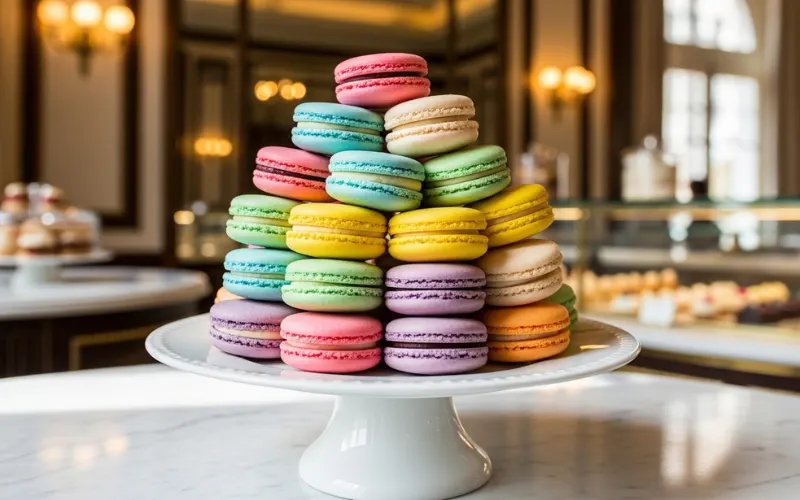
The Parisian little sandwich cookies are all over in colour. An ideal macaron is one with a thin and crispy shell, a chewy filling in the middle, and a filling of a flavoured ganache. The well-known ones are Laduree and Pierre Herme, but smaller patisseries can do the same ones equally well half the price. My preferred flavours are pistachio and salted caramel.
Tarte Tatin
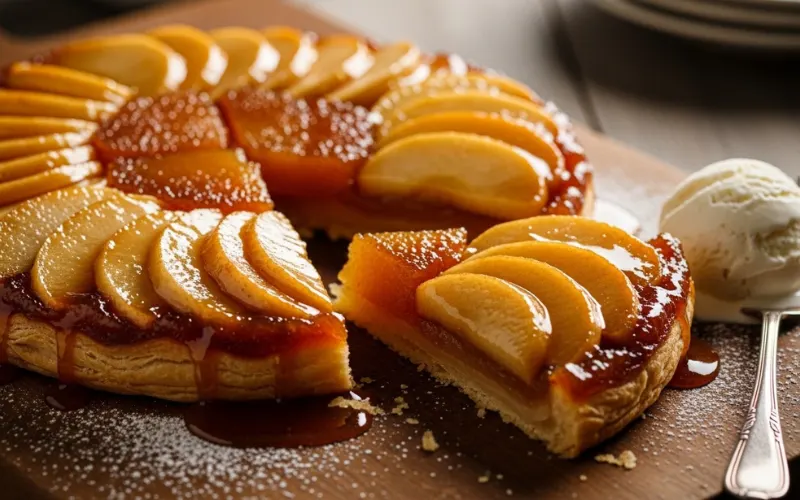
Inverted apple tart that has been caramelised fruit and a pastry bottom that is made of butter. It is said to have been invented by accident in the Hotel Tatin in the Loire Valley. Lucky chance, as it is among the best French food desserts of the French cuisine. Still hot out of the oven with a spoon of creme fraiche over it? Absolutely unreal.
Grand Marnier Souffle
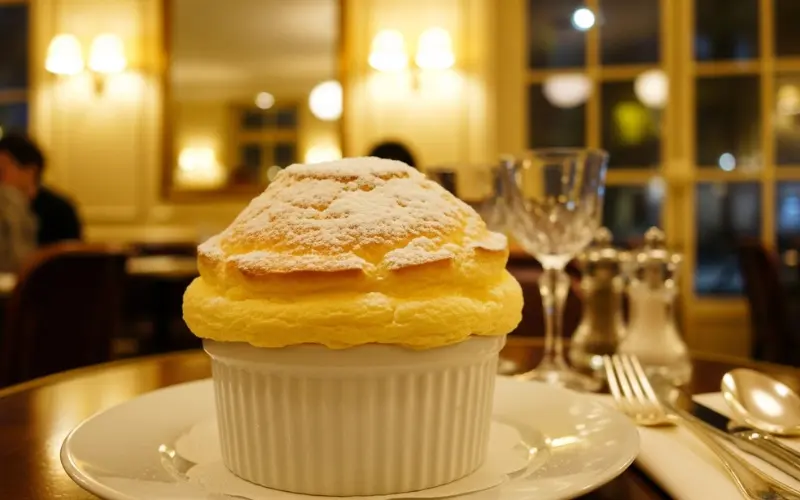
Whipped eggs, butter and